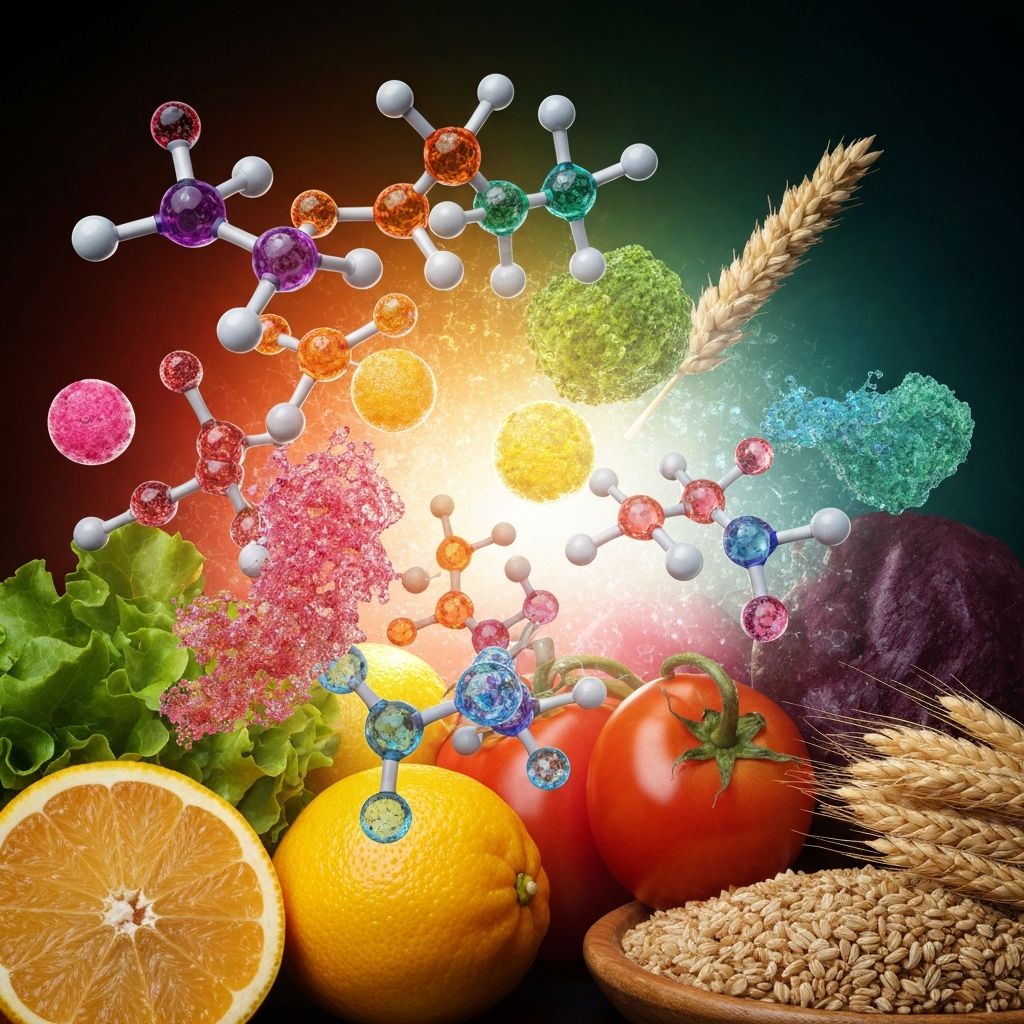
Understanding Nutrition for Well-Being

Discover the fundamental principles of nutrition and how dietary choices contribute to a healthy, balanced lifestyle.

Educational content only. No promises of outcomes.

Nutritional Foundations

A balanced diet forms the cornerstone of maintaining overall health and vitality. Nutrition encompasses the intake of food and the body's utilization of nutrients to support daily functions, energy production, and cellular repair.

Understanding fundamental nutritional principles helps individuals make informed dietary choices that support their lifestyle goals and well-being.

  • Balanced macronutrient intake
  • Adequate micronutrient consumption
  • Proper hydration
  • Whole food sources
  • Consistent eating patterns
Balanced nutritional meal with diverse food groups

Macronutrients Explained

Macronutrients are essential nutrients your body needs in larger quantities to function properly and maintain energy levels.

Proteins

Proteins are composed of amino acids that build and repair tissues, support enzyme function, and maintain hormonal balance. They are found in meat, fish, legumes, dairy, and nuts.

Carbohydrates

Carbohydrates provide energy for daily activities and brain function. Complex carbohydrates from whole grains, vegetables, and fruits offer sustained energy and valuable fiber.

Fats

Healthy fats support hormone production, nutrient absorption, and brain health. Sources include avocados, nuts, seeds, olive oil, and fatty fish.

Essential Vitamins for Health

Vitamins are organic compounds that support various bodily functions from immunity to bone health. While the body produces some vitamins, most must be obtained through diet.

  • Vitamin A: Supports vision and immune function
  • Vitamin B Complex: Aids energy metabolism
  • Vitamin C: Promotes collagen formation and immunity
  • Vitamin D: Supports bone health and calcium absorption
  • Vitamin E: Acts as an antioxidant
Colorful visualization of vitamins and minerals

Minerals and Their Functions

Minerals are inorganic substances essential for bone structure, muscle function, and many metabolic processes.

Zinc

Supports immune function and protein synthesis. Found in oysters, beef, pumpkin seeds, and legumes.

Magnesium

Essential for muscle relaxation and energy production. Sources include spinach, almonds, pumpkin seeds, and dark chocolate.

Iron

Critical for oxygen transport in blood. Found in red meat, poultry, beans, lentils, and fortified cereals.

Calcium

Fundamental for bone and teeth health. Abundant in dairy products, leafy greens, and fortified plant-based alternatives.

Selenium

Powerful antioxidant supporting thyroid function. Found in Brazil nuts, seafood, and whole grains.

Potassium

Regulates fluid balance and nerve signals. Rich sources include bananas, sweet potatoes, and beans.

Food Sources for Nutritional Vitality

Different foods provide unique nutritional profiles. A diverse diet ensures comprehensive micronutrient intake.

Water and hydration symbolism

Hydration and Well-being

Water is essential for every cellular function, from nutrient transport to temperature regulation. Adequate hydration supports mental clarity, physical performance, and overall health.

  • Enables nutrient transport throughout the body
  • Supports cognitive function and concentration
  • Regulates body temperature
  • Aids digestion and elimination
  • Promotes skin health and elasticity

Understanding Dietary Fibers

Soluble Fiber

Dissolves in water and forms a gel-like substance in the digestive tract. Helps maintain healthy cholesterol levels and provides sustained energy.

Sources: Oats, beans, apples, citrus fruits, and carrots.

Insoluble Fiber

Does not dissolve in water and moves through the digestive system largely intact. Supports digestive regularity and alimentary health.

Sources: Whole grains, vegetables, nuts, and seeds.

Fiber-rich foods

Lifestyle and Diet Connection

Nutrition works synergistically with other lifestyle factors to promote comprehensive well-being.

Physical Activity

Regular movement enhances nutrient utilization and supports cardiovascular health. Adequate nutrition fuels physical activities and supports recovery.

Sleep and Recovery

Quality sleep optimizes metabolic function and hormone balance. Proper nutrition supports restorative sleep cycles.

Stress Management

Chronic stress impacts nutritional needs and metabolism. Nutrient-rich foods support stress resilience and emotional balance.

Consistent Routines

Regular eating patterns and daily habits optimize digestion and metabolic efficiency. Consistency creates sustainable well-being.

People practicing wellness activities

Healthy Eating Patterns

Different cultures have developed successful approaches to balanced eating. Common principles across diverse dietary traditions support well-being.

Common Principles

  • Emphasis on whole, minimally processed foods
  • Abundance of vegetables and fruits
  • Moderate protein intake from varied sources
  • Healthy fat consumption
  • Limited ultra-processed foods and added sugars
  • Mindful eating practices
Diverse balanced meals

Important Context

All information provided on Ojecca is for general educational purposes only. This content does not replace professional medical advice, diagnosis, or personalized consultation. Individual dietary needs vary based on personal health status, medical history, and lifestyle factors. Approaches to nutrition are diverse, and what works for one person may differ for another. We encourage you to consult with qualified healthcare professionals or registered dietitians for personalized guidance regarding your dietary choices and health concerns.

Explore More Topics

Deepen your understanding of nutrition and well-being through our comprehensive resources.

Explore Our Topics